Understanding the olive oil label is like having a map to a quality treasure. We often overlook the information it contains, but every detail is crucial to ensure you’re buying a high-quality product. Here are the keys to becoming an expert olive oil shopper.
-
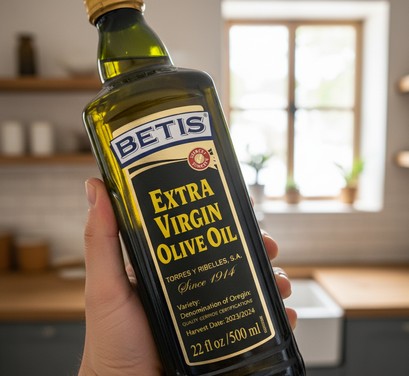
Protected Designation of Origin (PDO): This seal guarantees that the oil comes from a specific region and its production follows rigorous standards.
-
Olive Variety: The label may indicate the olive variety (for example, Picual, Hojiblanca, Arbequina). Each variety has a unique flavor profile, from intensely fruity to sweeter notes.
-
Harvest Date: Unlike wine, olive oil is best when it’s fresh. A recent harvest date indicates that the oil is fresher and has better-preserved organoleptic properties.
-
Best Before Date: This isn’t an expiration date, but it indicates the period during which the oil will maintain its best quality.
-
Nutritional Information: While the nutritional information for a good olive oil is simple (primarily monounsaturated fats), it’s always good to check it.
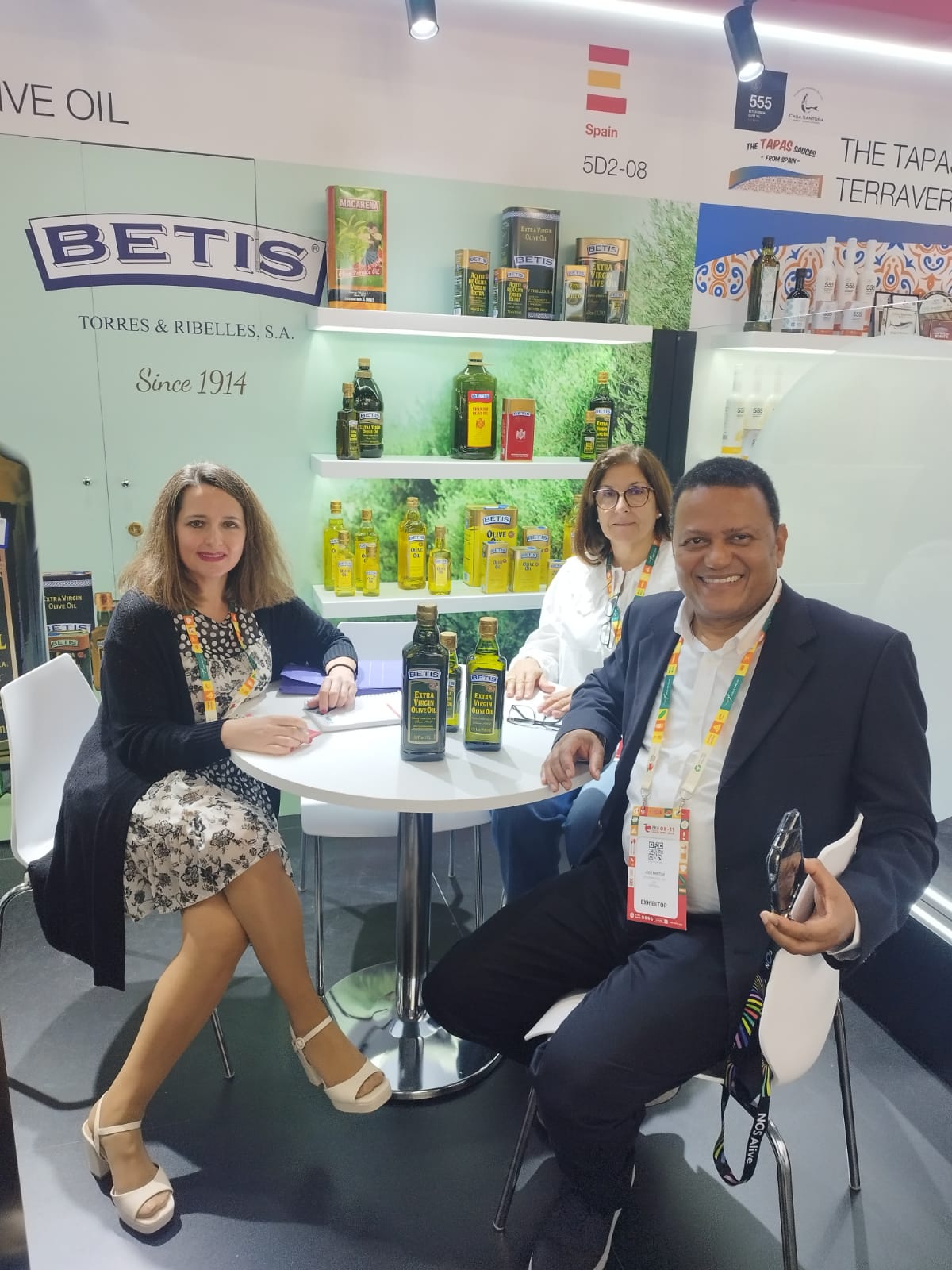
At Torres y Ribelles, our label reflects our transparency and commitment to quality, so you always know what you’re buying.